Ask GRAI Anything
Your Real Estate Questions, Answered Instantly via Chat

Help us make GRAI even better by sharing your feature requests.

India’s rental reform story in 2026 is not really one law and one outcome. The national Model Tenancy Act created a framework, but adoption and implementation remain uneven across states, which means India’s top cities are now competing on how easy, affordable, and predictable it feels to rent. That matters far beyond landlords and tenants.
It affects talent mobility, startup formation, GCC hiring, household spending, and the attractiveness of cities such as Bengaluru, Hyderabad, Gurugram, Mumbai, Delhi, Noida, Pune, Chennai, Ahmedabad, and Kolkata. The cities that reduce rental friction, through lower deposit pain, clearer tenancy norms, better managed rental housing, and stronger transit linked supply, can improve urban competitiveness in a way salary alone cannot.
For most of the last decade, India’s housing conversation was dominated by home sales, launches, and price cycles. In 2026, rental housing India has become a much bigger economic issue because labor markets are more mobile, GCC expansion is stronger, and major office corridors are competing for the same workers. Colliers reported that India’s office market crossed 70 million square feet of gross absorption in 2025, with Bengaluru contributing about 30% and Hyderabad about 15%, while GCC activity remained a major occupier driver.
At the same time, housing friction is getting harder to ignore. Reuters reported in March 2026 that analysts expected urban rents in India to rise 6% to 8% over the following year, while some market participants were projecting increases as high as 7% to 15% in certain markets. Separate press coverage in early 2026 reported rent increases of up to 25% in parts of Mumbai, Delhi, Bengaluru, Noida, and Gurugram during 2025. When rents, deposits, broker fees, and commute costs all rise together, the rental market India IT cities story becomes a city competitiveness story, not just a landlord tenant story.
This is the first place where clarity matters.
India does not have one fully uniform new tenancy law operating the same way in every state. The central reference point remains the Model Tenancy Act, a national template intended to encourage written agreements, cap certain deposit burdens, formalize rights and duties, and create a rent authority and dispute resolution mechanism. But recent reporting and legal explainers make clear that adoption across states has been partial and uneven. That unevenness is the real story. It means city level rental outcomes can diverge even when the national conversation sounds uniform.
This matters because the practical experience of renting in India is still shaped by:
Security deposit practices
Broker dependence
Quality of contract enforcement
Speed of dispute resolution
Availability of managed rentals India formats
Informal versus formal landlord behavior
So when we talk about rental reform impact India, the key question is not only whether rules changed. The key question is whether renting is becoming easier in a way people can feel on the ground.
A city can no longer assume that jobs alone will pull talent. Workers increasingly compare cities on total life friction.
That includes:
Rent level versus salary
Security deposit burden
Commute pain
Availability of transit linked rentals
Quality of rental stock
Predictability of lease and move out terms
This is especially important in sectors with mobile white collar labor. India’s GCC ecosystem continued to expand in 2025, with strong demand concentrated in Bengaluru, Hyderabad, NCR, Pune, and Chennai. If two cities offer similar salaries but one city is easier to rent in, easier to move within, and less punishing on upfront cash burn, that city can gain a real edge in talent mobility India.
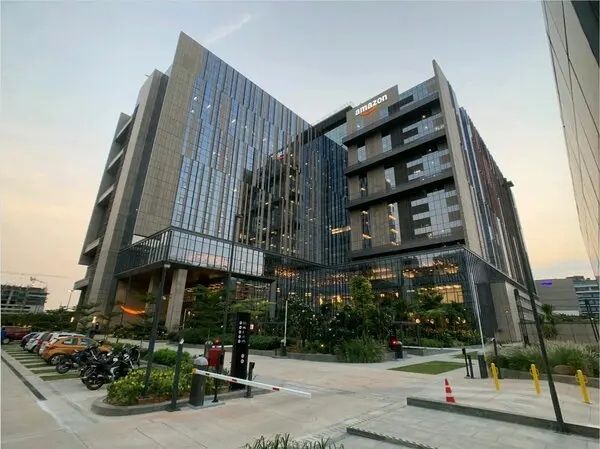
Bengaluru is the clearest case where housing competitiveness and office competitiveness are colliding. It led India office demand in 2025, and it remains one of the country’s biggest GCC and tech hiring centers. At the same time, housing demand around metro connected corridors has been intensifying. Recent reporting noted stronger real estate demand and rental increases along Namma Metro linked areas, which shows how quickly transit, rent pressure, and talent geography are interacting. Bengaluru gains the most if deposit friction falls, managed rental supply rises, and commute linked rental stock improves, because the city already has deep job demand. Its problem is not demand. Its problem is housing friction.
Related: How is the Bangalore Real Estate Residential Market Affected by IT Sector Layoffs?
Hyderabad is well placed to benefit if India rental reform 2026 leads to easier renting in practice. It has a strong tech and GCC base, a relatively more planned urban expansion pattern in key business corridors, and a value narrative that still looks better than Bengaluru on a cost basis in many cases. If lower rental friction makes relocation easier, Hyderabad can strengthen its position as the city that offers corporate scale without as much housing pain.

Gurugram is one of the strongest examples of why rental regulation India matters beyond law. It is a major corporate hub, but it is also one of the markets that saw sharp rental increases in 2025 according to media reporting. High deposits, high rents, and reliance on a few premium corridors can make relocation expensive. If renting becomes simpler and more transparent, Gurugram could improve its edge. If not, it risks losing some mobile talent to nearby alternatives that feel less financially punishing.
Mumbai’s issue is different. Here the problem is less about formal tenancy theory and more about sheer affordability. Reuters polling showed analysts still expecting home price growth in major Indian cities, while rents also continue to rise. Even if tenancy law becomes cleaner, Mumbai remains structurally expensive. Still, deposit relief, clearer contracts, and more professionally managed rentals can reduce relocation pain in a city where upfront housing friction is especially acute.
Must Read: Know the Mumbai Real estate market prices and predictions
Delhi remains a major employment center, but the real rental competition increasingly plays out across the wider NCR geography. The city’s own rental market matters, but so does how easily talent can choose Delhi versus Gurugram versus Noida. Rental reform that reduces friction across NCR can shape employer attractiveness more than city branding alone.
Noida is one of the most likely beneficiaries of lower rental friction because it still offers relative affordability in multiple corridors while benefiting from improving infrastructure and office demand. Reporting in early 2026 highlighted strong rent growth in Noida linked markets, especially where infrastructure and job access are improving. If easier tenancy norms and better organized rental supply expand here, Noida can capture more migration from both Delhi and Gurugram.
Pune sits in an interesting spot. It is no longer just an overflow city. It is becoming a stronger GCC and business destination in its own right. Reporting in 2026 pointed to major state ambitions for new GCC growth in Maharashtra, with Pune already hosting a large base of such units. A city like Pune can gain if housing remains easier to access, because it offers a more livable alternative for many professionals and founders who are more sensitive to rent burdens and move in costs.
Chennai often gets less hype than Bengaluru or Hyderabad, but it remains one of India’s core office and GCC markets. It also benefits from a relatively less speculative housing narrative in many areas. That can become a competitive advantage if rental market formalization improves, because stability itself is valuable for both employers and relocating households.
Ahmedabad matters because India’s housing competitiveness story is not only about classic IT hubs. As infrastructure and business investment rise, Ahmedabad can become more relevant for mobile professionals and business households. The city’s advantage could come from avoiding the extreme rental pain seen elsewhere, but only if formal rental housing and professionally managed rentals expand before friction builds.
Kolkata completes the national picture because it shows how rental reform impact India extends beyond the highest growth corridors. Even in cities with a less aggressive startup image, easier renting can support household mobility, formal rental supply, and better use of urban housing stock.
The tech talent hook is useful, but the actual impact is broader.
Founders and early employees are unusually sensitive to relocation costs and upfront cash burn. Lower deposits and cleaner tenancy rules can matter a lot in early stage ecosystems where cash preservation matters.
If less money gets locked into deposits and repeated brokerage flows, more money remains available for everyday spending, mobility, childcare, and savings. That feeds back into urban consumption.
Safer, more formal rental systems with clearer documentation and dispute mechanisms can make relocation easier for women and families who otherwise face higher friction and uncertainty.
As the rental market formalizes, more room opens for managed rentals India, professionally managed apartments, and co-living India formats that emphasize convenience, flexible contracts, and service quality.
Some landlords may become more willing to rent out vacant stock if contracts and dispute processes feel clearer and more enforceable. That can improve rental housing supply over time, though the effect will differ sharply by state and city.
If you are investing in rental housing India, or you are a landlord in one of the major employment corridors, the important questions are changing.
In a more competitive rental market, lower deposit expectations can widen the tenant pool and reduce move in barriers.
Bengaluru’s metro corridor demand is a reminder that transit linked rentals can become a major winner when workers optimize for both rent and commute.
As tenants become more quality conscious, managed rentals India and co-living India can gain share from informal rental stock.
Properties with cleaner documentation and more predictable tenant experiences can attract stronger tenant demand and reduce turnover.
Gross yield is not the only metric. Tenant depth, renewal stability, and regulatory clarity increasingly matter because they determine how resilient the asset is in practice.
In 2026, India’s leading metros are not just competing on salaries, office parks, airport access, and metro lines. They are competing on whether talented people can actually move there without destroying their cash flow or patience.
That is why India rental reform 2026 matters. Not because one perfect tenancy regime has suddenly arrived, but because housing friction is now visible enough to shape labor mobility, urban competitiveness, and investor opportunity.
The most important winners over the next few years may not simply be the cities with the most jobs. They may be the cities that combine jobs with easier renting.
Compare India’s Top Rental Cities with GRAI: https://internationalreal.estate/chat
These prompts are designed to turn the India rental market 2026 story into something decision grade.
“Compare Bengaluru, Hyderabad, Gurugram, Mumbai, Delhi, Noida, Pune, Chennai, Ahmedabad, and Kolkata on rental friction, affordability pressure, and likely talent mobility impact in 2026.”
“Rank the top 10 Indian cities by housing competitiveness for mobile professionals, using rents, deposits, commute friction, and office demand.”
“Model how lower deposits and clearer tenancy norms could change tenant movement and rental demand across India’s top job corridors.”
“Identify which rental segments, managed rentals, co-living, transit linked housing, would benefit most if the rental market formalizes further.”
Run your rental scenarios now: https://internationalreal.estate/
It is mainly about how the Model Tenancy Act framework and uneven state adoption influence the real experience of renting, including deposits, written agreements, dispute resolution, and formal rental supply.
No. The Model Tenancy Act is a framework, but adoption and implementation remain uneven across states, which is why city level rental experiences still differ significantly.
Because high deposits, rent inflation, broker dependence, and commute pain make relocation more expensive and harder. In top hiring cities, easier renting can improve labor mobility and employer attractiveness.
Bengaluru, Hyderabad, Gurugram, Noida, and Pune look especially sensitive because they combine strong job growth with mobile white collar demand. But the impact can extend across all major metros.
It affects talent attraction, startup formation, consumer spending, and whether households feel able to move for better work opportunities.
Managed rentals, co-living, transit linked rental housing, and institutional rental housing could all benefit if tenants increasingly value predictability and lower friction.
The real shift in 2026 is that renting is becoming a competitive advantage for cities, not just a housing issue. Indian metros that make renting easier, clearer, and less cash intensive can improve talent mobility, business appeal, and long-term urban competitiveness far beyond salary alone


